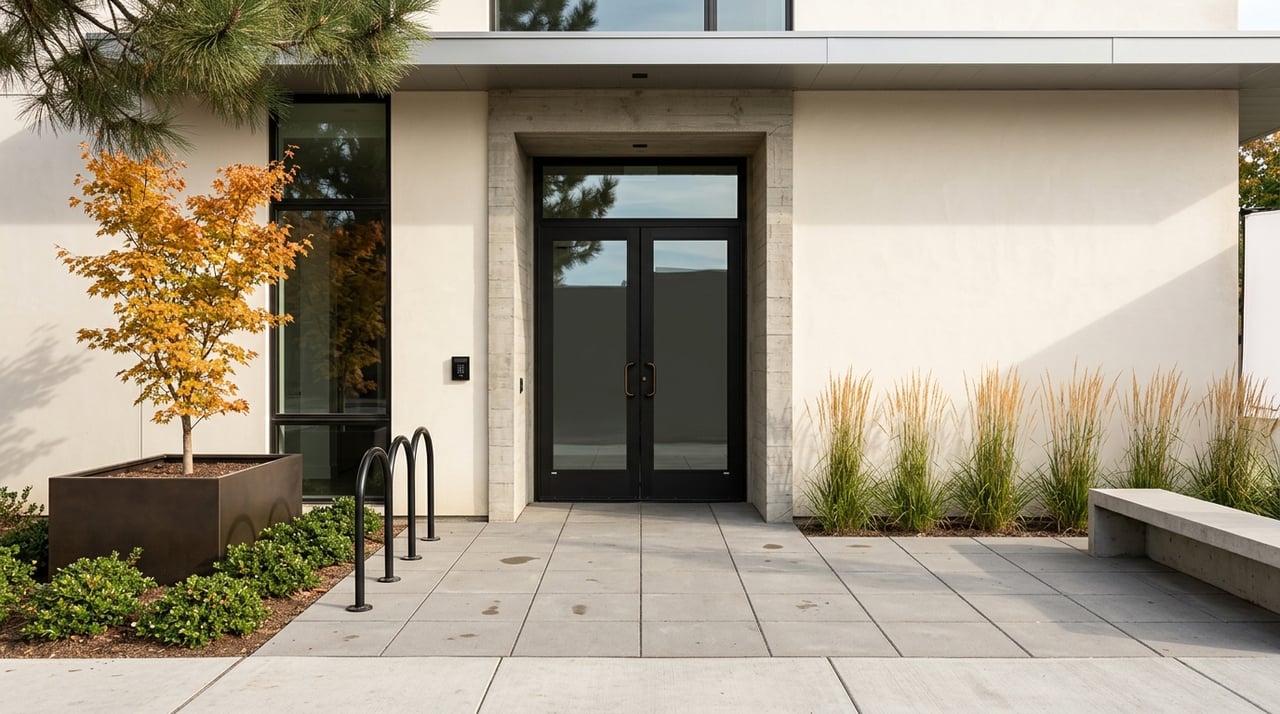
If you want a home base in Boulder without the upkeep of a detached house, downtown condos and lofts can be a smart fit. You may be looking for walkability, a second home, easier travel, or simply a more streamlined lifestyle close to restaurants, shops, and everyday services. The key is knowing how downtown Boulder’s historic setting, HOA structure, parking, and financing rules can shape your day-to-day experience. Let’s dive in.
Why Downtown Boulder Works
Downtown Boulder offers a lifestyle that is naturally aligned with lock-and-leave living. The area includes shopping, dining, lodging, services, and entertainment, with the Pearl Street Mall serving as a four-block pedestrian destination from 11th to 15th Street.
The city also describes Boulder as a Gold-level Walk Friendly Community, with strong walking, biking, and transit connections. For many buyers, that means you can rely less on a car and enjoy more convenience right outside your door.
Public investment also matters when you are thinking long term. The city is continuing work on downtown projects and a Pearl Street Mall refresh, which can support livability, access, and future resale confidence.
What “Lock-And-Leave” Really Means
A true lock-and-leave home is not just a smaller property. It is a home that supports ease, predictability, and lower day-to-day responsibility when you are traveling, working long hours, or splitting time between locations.
In downtown Boulder, that usually means looking closely at a building’s secure entry, elevator access, parking setup, storage, bike parking, and guest parking. It also means paying attention to how much activity your unit faces, especially if it is close to Pearl Street or above active commercial space.
Some buyers assume every condo automatically offers simple, worry-free ownership. In reality, the quality of the experience often depends on the building, the HOA, and the exact location of the unit within the project.
Downtown Building Types to Compare
Historic Brick Buildings
Downtown Boulder’s historic-commercial core gives you access to character-rich buildings that can feel distinct and timeless. These homes may include loft-style upper-floor units and older brick structures with architecture that reflects the district’s long history.
That charm can come with added considerations. If a property is inside a historic district, exterior changes may require Landmark Alteration Certificate review, which can affect future updates tied to windows, facades, or other exterior elements.
Loft-Style Units
Loft-style homes often attract buyers who want an urban feel in the center of Boulder. You may find open layouts, higher ceilings, upper-floor locations, and a stronger connection to the energy of downtown.
The tradeoff is that loft living can be more sensitive to light, noise, and privacy depending on the building and where the unit faces. That is especially important near active pedestrian areas, restaurants, or evening destinations.
Newer Mixed-Use Infill
Newer mixed-use buildings can appeal to buyers who want a more polished, contemporary feel with newer systems and easier everyday function. In many cases, these properties may offer the practical features lock-and-leave buyers value most, such as secure entry, elevators, structured parking, and bike storage.
Still, newer does not always mean simpler. You will want to compare HOA finances, parking rights, and loan eligibility just as carefully as you would in an older building.
Pearl Street Proximity: Lifestyle vs. Exposure
Being near Pearl Street is often a major draw. It puts dining, retail, events, and pedestrian activity within a short walk, which is one of downtown Boulder’s biggest advantages.
At the same time, proximity can bring more foot traffic, more evening and weekend activity, and more parking friction. The best fit usually comes from balancing convenience with the details that shape comfort, like window orientation, unit position, secure parking, and elevator access.
For resale, that balance matters too. A unit that offers both walkability and practical daily function often tells a stronger story than one that relies on location alone.
Parking Matters More Than Buyers Expect
In a downtown setting, parking should never be treated as a small detail. Boulder offers five city parking garages, three city parking lots, on-street pay parking, and multiple garages with EV charging, but your building’s specific arrangement can still make a big difference.
Ask whether parking is deeded, leased, shared, or largely dependent on public options. If you travel often or expect guests, you should also look at guest parking access and how easy it is to get from the garage to the unit.
A great downtown condo can lose some of its ease if parking feels uncertain every day. For many buyers, a clear, reliable parking solution is part of what makes lock-and-leave living truly work.
HOA Due Diligence Is Essential
One of the biggest differences between condo buying and single-family buying is the HOA. In Colorado, buyers under contract in an HOA are entitled to the documents listed in Section 7 of the Colorado Contract to Buy and Sell, and the Division of Real Estate recommends reviewing governing documents, financial records, and the last year of meeting minutes.
That review can help you spot special assessments, maintenance concerns, insurance requirements, and reserve strength. It can also give you a better sense of how the board handles planning and whether the association appears proactive or reactive.
Colorado HOAs must maintain common-element property insurance and liability insurance. The state does not require a reserve study itself, but it does require a reserve-study policy that addresses timing, funding, and whether the study includes physical and financial analysis.
That distinction matters. You should not assume that every building is equally prepared for future repairs just because it has an HOA.
A Simple HOA Checklist
When you are evaluating a downtown Boulder condo or loft, it helps to review:
- Current budget and financial statements
- Reserve information and reserve-study policy
- The last year of HOA meeting minutes
- Any signs of deferred maintenance
- Pending or recent special assessments
- Insurance requirements affecting owners
- Rules that may affect everyday use or future plans
Colorado also expects most associations to register annually with the Division of Real Estate. During due diligence, checking registration status can be a useful way to flag issues early.
Condo Financing Can Affect Your Options
Many buyers focus on the unit and overlook the project. With condos, financing can depend not only on your qualifications, but also on whether the building meets a lender’s project standards.
HUD states that FHA-insured loans require either an FHA-approved condominium project or a project that qualifies for single-unit approval. Eligible projects must meet standards related to completion, insurance coverage, financial condition, title, legal action, and physical condition.
Fannie Mae also requires lenders to determine whether a condo project meets eligibility requirements, using review paths such as Full Review, Limited Review, PERS, or a waiver depending on the transaction. In practical terms, that means a condo you love may still be a poor fit for a specific loan program.
If you plan to finance your purchase, it is wise to ask project-eligibility questions early. That can save time, protect your momentum, and help you avoid surprises later in the contract period.
Historic District Rules Can Shape Ownership
Downtown Boulder’s identity is part of its appeal. It is both a local landmark and on the National Register of Historic Districts, which contributes to the area’s character and sense of place.
That setting can also affect what future exterior changes are possible. If a property sits inside the Downtown Historic District, certain exterior changes may trigger Landmark Alteration Certificate review.
This does not make a property less desirable. It simply means you should understand how the building’s historic context may influence updates, exterior work, and long-term flexibility.
How to Choose the Right Downtown Condo
The best downtown Boulder condo or loft for you will usually come down to a few practical questions. It is less about finding the fanciest finish package and more about finding the right match for your lifestyle.
Here are some of the most important things to compare:
- Is the building in the Downtown Historic District?
- What exterior changes would require review?
- Is parking deeded, leased, shared, or public-facing?
- Does the unit face a quieter side or a more active street or mall area?
- Is there secure entry and elevator access?
- Are storage and bike parking included?
- What do the HOA budget, reserves, and meeting minutes reveal?
- Will your lender need a specific condo project review path?
When you answer those questions clearly, you can make a more confident decision. You are not just buying a floor plan. You are choosing how easy your life will feel once you own it.
Why Local Guidance Helps
Downtown Boulder is a small area, but it contains a surprising range of building styles, ownership structures, and lifestyle tradeoffs. Two properties that look similar online can feel very different once you compare parking, exposure, HOA health, and financing path.
That is where neighborhood-level knowledge becomes valuable. A careful, local comparison can help you avoid costly assumptions and focus on the homes that truly fit your goals.
If you are considering lock-and-leave living in Downtown Boulder, working with an experienced local advisor can help you weigh character, convenience, and resale potential with more clarity. When you are ready for a thoughtful, concierge-style approach, connect with Kimberly Fels to request a consultation.
FAQs
What makes a Downtown Boulder condo good for lock-and-leave living?
- The best fit usually combines secure entry, manageable maintenance, reliable parking, storage, and an HOA with solid financial and operational oversight.
What should you review before buying a condo in Downtown Boulder?
- You should review HOA governing documents, financial records, reserve information, insurance details, meeting minutes, parking terms, and any building-specific financing requirements.
Does living near Pearl Street in Boulder affect resale?
- Pearl Street proximity can support demand because of walkability and access to dining, retail, and events, but buyers also tend to weigh noise, privacy, and parking convenience.
Can HOA issues affect a Boulder condo purchase?
- Yes. Special assessments, deferred maintenance, weak reserves, insurance requirements, and poor governance can all affect cost, financing, and long-term ownership experience.
Do all Downtown Boulder condos qualify for the same financing?
- No. Condo financing can depend on the project as well as the buyer, and some loan programs require the building to meet specific project-approval standards.