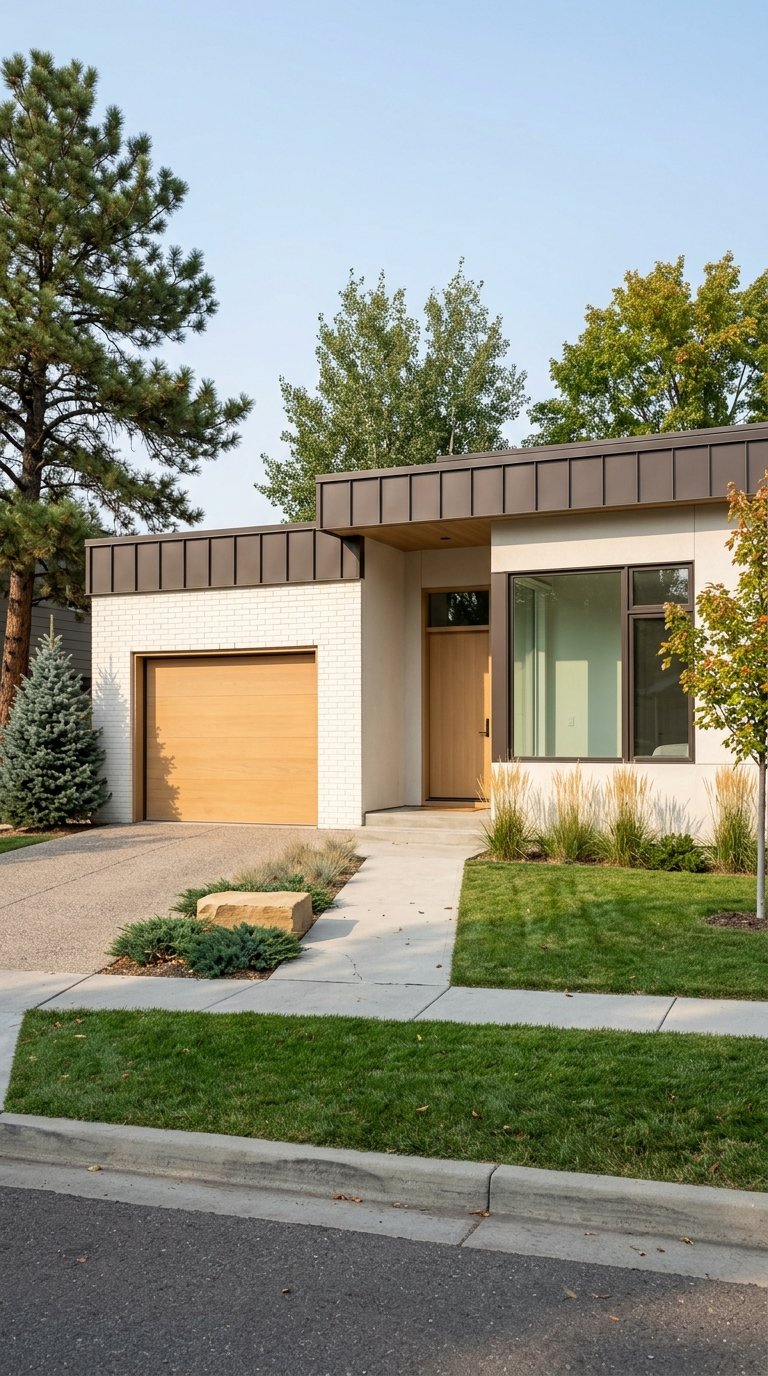
If you want a single-family home near CU Boulder, the biggest surprise is usually not whether you can get to campus. It is how quickly the trade-offs come into focus once you compare price, parking, historic-district rules, and the amount of detached-home inventory available. Whether you are a faculty member, staff member, grad student, or a buyer who simply wants to stay close to the university, understanding those trade-offs can save you time and help you focus your search. Let’s dive in.
Why single-family living near CU is different
CU Boulder’s main campus sits at 1725 Euclid Avenue, which means proximity is only part of the equation. In practice, many buyers need to think about bike and bus access just as seriously as driving.
CU points to key local routes such as HOP, SKIP, JUMP, BOUND, and DASH, and Buff Ride connects East Campus and Main Campus. The university also highlights on-campus bike resources and BCycle access, which makes a bike-forward lifestyle realistic in several Boulder neighborhoods.
That matters because close-in parking can be a real constraint. University Hill is a clear example, with city materials referencing nearby parking challenges and the area’s mixed-use layout.
What buyers are really choosing
For most buyers, the choice is not simply “near campus or not.” It is usually a decision between three different lifestyles:
- Historic close-in blocks with character and very short access to campus
- South Boulder neighborhoods with more detached-home options and flexible commuting
- Farther-but-still-usable pockets where biking to CU can still make sense
Your best fit often depends on how you weigh charm, renovation flexibility, commute style, and budget.
Historic pockets closest to CU Boulder
Some of the closest single-family options near campus are also among Boulder’s most distinctive historic areas. These neighborhoods often offer architecture, mature streetscapes, and a true close-in feel that can be hard to replicate farther out.
University Place and 14th Street
This district runs along 14th Street from Baseline to Aurora and includes well-preserved early 20th-century homes. The city identifies styles here such as Tudor Revival, English or Norman Cottage Revival, Craftsman Bungalow, Italian Renaissance Revival, Foursquare, and Colonial Revival.
The area also has a strong historic connection to CU, as the city notes it was popular with professors and staff who wanted homes near campus. If you are drawn to architecture and a central location, this is one of the most notable places to start.
Hillside Road
The Hillside Road district stretches between 15th and 9th Streets along both sides of Hillside Road. Most of the homes were built from 1905 to 1938 and are described by the city as rustic Tudor Revival.
For buyers who want a strong sense of place, this pocket stands out. The housing stock is highly specific, and that usually appeals to people looking for character rather than a broad mix of detached-home types.
16th Street bungalows
The 700 block of 16th Street is a very small district at the southern entrance to University Hill. The homes are mostly 1930s middle-class houses with Tudor Revival and English or Norman Cottage influences.
Because this district is tiny, inventory can feel especially limited. When homes do come up, buyers are often responding to location and style as much as square footage.
Chautauqua and Baseline-Bluebell
Chautauqua lies south of Baseline from Bluebell Road to 12th Street and sits beside open space below the Flatirons. The city describes it as one of Boulder’s most distinctive close-in historic residential environments, with more than 100 structures.
If you want a close-in setting with a unique Boulder identity, Chautauqua is one of the area’s most recognizable options. It offers a very different feel from the campus-edge blocks while still keeping CU accessible.
Historic district rules to know
If you are shopping in Boulder’s closest-in neighborhoods, one question matters early: Will the property be in a historic district? In many cases, the answer may be yes.
The city says exterior changes to designated properties require Landmark Alteration Certificate review. Boulder currently has 10 historic districts and more than 1,300 designated properties, so this is not a niche detail.
That does not mean you should avoid these homes. It simply means you will want to understand what changes may require review before you make plans for exterior renovations, additions, or design updates.
Mapleton Hill and north-central options
Not every viable single-family option near CU sits right beside the campus core. Some neighborhoods farther north still work well for buyers who want bike access and a broader range of detached homes.
Mapleton Hill
Mapleton Hill is bounded by Concord Street, Spruce Street, 4th Street, and Broadway. It includes many homes built before 1910, with smaller and simpler homes toward the north end near Concord and Maxwell.
It is also described as very walkable and very bikeable. That combination helps explain why Mapleton Hill often attracts buyers who want a close-in lifestyle, historic character, and strong non-car access.
Price is a major factor here. Neighborhood-level data shows Mapleton Hill as one of the highest-priced signals in the near-CU conversation, so buyers should approach it as a premium micro-market rather than a broad campus-adjacent bargain.
North Boulder, Old North Boulder, and Newlands
These neighborhoods sit farther from the core but remain relevant for CU commuters who prefer a bike-forward routine. Research shows North Boulder with a median sale price of $924,656, Old North Boulder around $1.3 million, and Newlands with solid walk, transit, and bike scores.
For many buyers, these pockets offer more detached-home variety than the campus edge. If your goal is a single-family house first and the shortest possible commute second, these areas deserve a close look.
South Boulder neighborhoods worth considering
If you are open to living a bit farther from CU, South Boulder often presents a more practical path to single-family ownership. This is where many buyers find a better balance of detached-home supply, commute flexibility, and price compared with the closest-in historic districts.
Martin Acres
Martin Acres is one of the clearest examples of that trade-off. Recent neighborhood data shows a median sale price of $926,656, median days on market of 31, and transportation scores of 55 for walkability, 53 for transit, and 89 for bikeability.
The neighborhood’s detached-home inventory tends to include ranch and mid-century modern homes. For buyers who want a more approachable single-family search near CU, Martin Acres often lands in the practical middle ground.
Table Mesa South
Table Mesa South is another key option in South Boulder. Recent figures show a median sale price of $1,283,424, median days on market of 32, and scores of 45 walk, 45 transit, and 86 bike.
CU’s DASH route serves Table Mesa Drive and South Boulder, which supports a multi-modal commute. Inventory here includes ranch-style homes and homes that may offer additional flexibility in layout or long-term use.
What pricing near CU really means
Boulder is expensive by national standards, but single-family buyers need to look past the headline numbers. Citywide, Redfin reports a March 2026 median sale price of $819,175 and about 52 days on market, while Zillow’s Boulder home value index shows a typical home value of $915,406 through November 2025.
Those figures are not direct substitutes because they measure different things. They are better understood as two separate signals pointing to the same broader reality: Boulder remains a high-cost market.
Near CU, neighborhood-level pricing can vary sharply. Research shows the broader Colorado University area at $509,811, University Hill at $1,115,885, Central Boulder-University Hill at $1,799,331, Mapleton Hill at $2,224,173, Martin Acres just under $1 million, North Boulder just under $1 million, and Table Mesa South just over $1.28 million.
For a single-family-focused search, those are best treated as neighborhood price signals, not detached-home-only benchmarks. The broad university area can appear much cheaper because it is not limited to single-family inventory.
How to think about the commute
If you are trying to reduce daily friction, think in layers. Start with how often you need to be on main campus, then consider whether you are comfortable biking, using bus routes, or combining both.
For some buyers, a slightly farther home in Martin Acres, Table Mesa South, or North Boulder may offer a smoother overall routine than a closer home with difficult parking. That is especially true in areas where bike access is strong and transit options connect well to campus.
A practical way to narrow your search
When buyers get overwhelmed, it usually helps to rank priorities in this order:
- Budget range for the neighborhood, not just the home
- Commute style such as bike, bus, or driving
- Historic-district comfort level if updates matter to you
- Detached-home style such as bungalow, Tudor, ranch, or mid-century
- Parking tolerance near campus-edge locations
That framework often makes the next step clearer. Instead of searching all of Boulder at once, you can compare a few realistic micro-markets that match how you actually want to live.
The bottom line on single-family living near CU Boulder
Single-family living near CU Boulder is absolutely possible, but it rarely comes down to distance alone. The closest-in neighborhoods often bring the most charm and convenience, yet they can also come with higher prices, tighter inventory, parking stress, and historic-district considerations.
If you are willing to expand your search slightly south or north, you may find more detached-home options and a more flexible commute. The right move is usually the one that balances your budget, your preferred transportation routine, and the kind of home you want to own for the long term.
If you want help comparing Boulder micro-markets and narrowing the right fit near CU, Kimberly Fels offers thoughtful, data-informed guidance with the kind of local insight that makes a fast-moving search feel much more manageable.
FAQs
What should buyers know about single-family homes near CU Boulder?
- Buyers should expect trade-offs between proximity, price, parking, historic-district rules, and the amount of detached-home inventory available.
Which Boulder neighborhoods offer single-family homes near CU Boulder?
- Key areas to consider include University Place, Hillside Road, 16th Street, Chautauqua, Mapleton Hill, Martin Acres, Table Mesa South, North Boulder, Old North Boulder, and Newlands.
Do historic districts near CU Boulder affect home updates?
- Yes. In Boulder, exterior changes to designated historic properties require Landmark Alteration Certificate review, so buyers should verify district status early.
Is it realistic to commute to CU Boulder without driving?
- Yes. CU identifies routes such as HOP, SKIP, JUMP, BOUND, and DASH, along with Buff Ride, bike resources, and BCycle access that support bike and bus commuting.
Are South Boulder neighborhoods good for CU Boulder buyers?
- Yes. Martin Acres and Table Mesa South can offer more detached-home options and flexible commuting for buyers who do not need to be right next to campus every day.
How expensive are single-family areas near CU Boulder?
- Pricing varies widely by neighborhood, with premium close-in areas such as Mapleton Hill and Central Boulder-University Hill showing much higher price signals than places like Martin Acres or North Boulder.