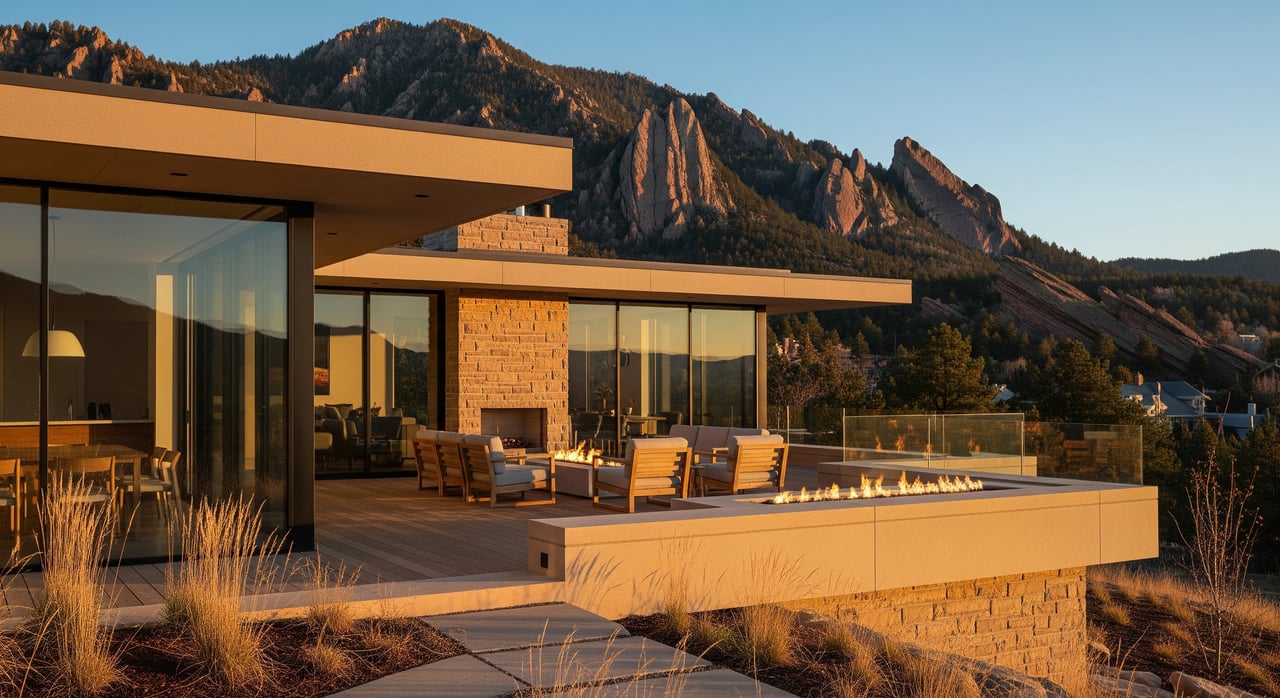
Imagine stepping out your front door, coffee in hand, and watching the Flatirons glow pink as the sun rises. If you’re craving everyday access to trails, culture, and a calm residential feel near downtown, Chautauqua is where those pieces come together. In this guide, you’ll learn what daily life looks like, how the seasons shape the neighborhood, and the practical details you should know before you buy. Let’s dive in.
Chautauqua at a glance
Chautauqua sits on Boulder’s west side at the base of the Flatirons, about 1–2 miles from downtown and the University of Colorado, depending on your start and end points. The neighborhood blends historic cottages and early 1900s bungalows with modest foothills homes and some larger contemporary properties on upslope lots. Streets near the park are tree-lined and residential, though visitor traffic picks up during peak seasons. The historic core is protected, so preservation guidelines influence exterior changes, new construction, and demolitions.
Morning routines at the Flatirons
Early mornings are when many residents get outside. You’ll see hikers, trail runners, and dog walkers heading toward Royal Arch or the Bluebell area before work. That door‑step access makes a sunrise lap feel like a normal part of the day. The Flatirons catch the first light, and the views help set a calm tone before you head to meetings or school drop-off.
Weekends and seasonal rhythms
Weekdays feel quieter, especially mid-day. Spring through fall weekends, the trailheads and main lots get busy, and the area around the Auditorium and Dining Hall can buzz with visitors. Summer brings more concerts and occasional afternoon thunderstorms; fall offers dramatic light and foliage; winter is quieter with variable trail conditions; spring can be muddy as temperatures rise. If you value peaceful mornings, start early and plan errands away from peak trailhead times.
Trails, climbs, and safety basics
From the neighborhood, you can access many of Boulder’s classic routes. Royal Arch, Bluebell-Baird, and connecting loops give you options from moderate hikes to steeper climbs. The Flatirons are also a renowned climbing area with approaches starting from the Chautauqua trailheads. Steep terrain, quick weather shifts, and summer lightning are real factors, so keep an eye on conditions and follow wildlife and trail guidance from local managers.
Culture on the lawn and in the Auditorium
The Chautauqua Auditorium and the surrounding lawn host music, lectures, and community events throughout the year, with the busiest schedule in summer. Evenings can mean picnics on the grass and meeting neighbors for a show. The Dining Hall anchors social life with meals and special events; many residents pair a casual dinner there with a stroll or a concert. It’s a lively but grounded scene that still feels easy to access on foot or by bike.
Everyday conveniences nearby
You’re close to downtown Boulder for groceries, coffee, theaters, and shops, often just a short bike or car ride away. A few small cafés and businesses near the base of the hill add daily convenience, but most major services sit in central Boulder. Many residents choose a bike-and-car mix for errands, and regional transit options make it possible to connect beyond the neighborhood. Commuting to Denver and the tech corridor to the east typically runs along US‑36, with drive times that depend on traffic.
Living in a historic district
Chautauqua’s historic status shapes how you renovate. Exterior changes, additions, and potential demolitions often require city review to maintain the area’s character. Interior updates may also involve additional steps when structural changes affect historic elements. If you’re planning a remodel, build in time for design review and work with professionals who understand local guidelines.
Parking and visitor dynamics
Trailhead and Dining Hall parking can fill early on busy days, and some nearby streets have posted rules or residential permits. Expect weekend and holiday surges in good weather, along with evening activity during performances. If you entertain often or have regular service providers, it’s smart to assess on-site parking and typical on-street availability before you buy. Many residents adapt by timing outings and encouraging guests to arrive earlier on peak days.
Real estate considerations and costs
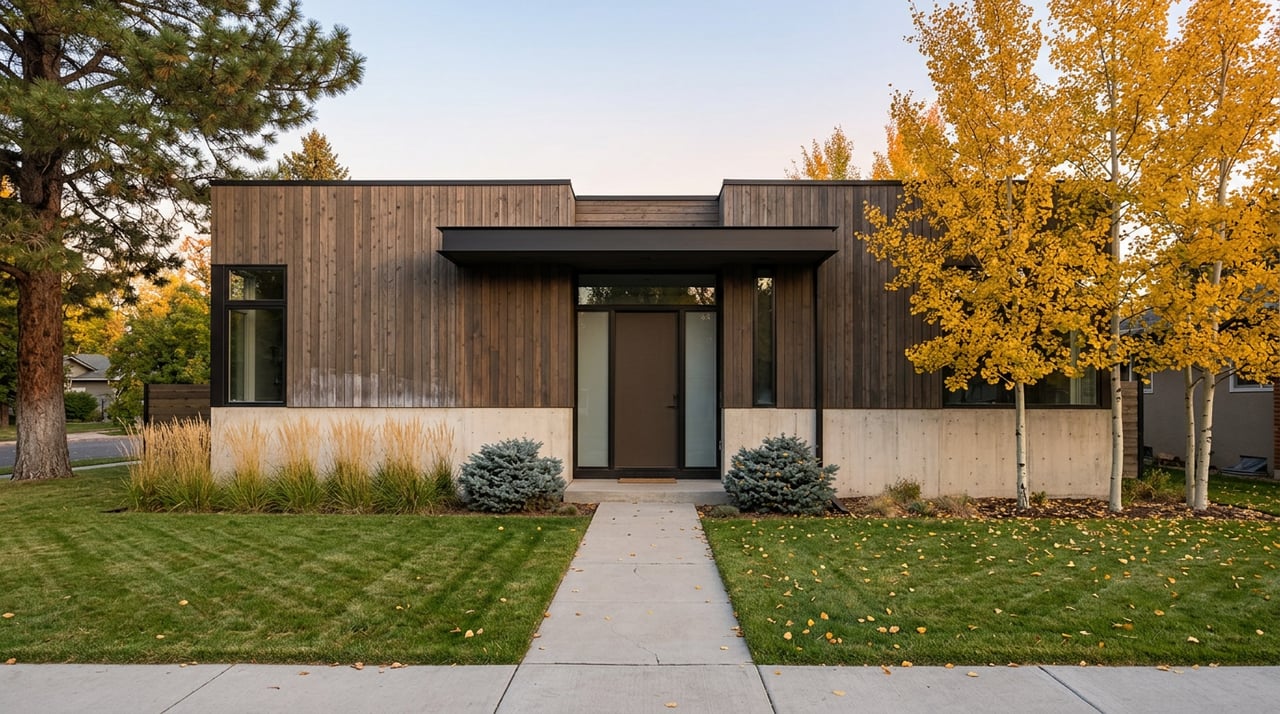
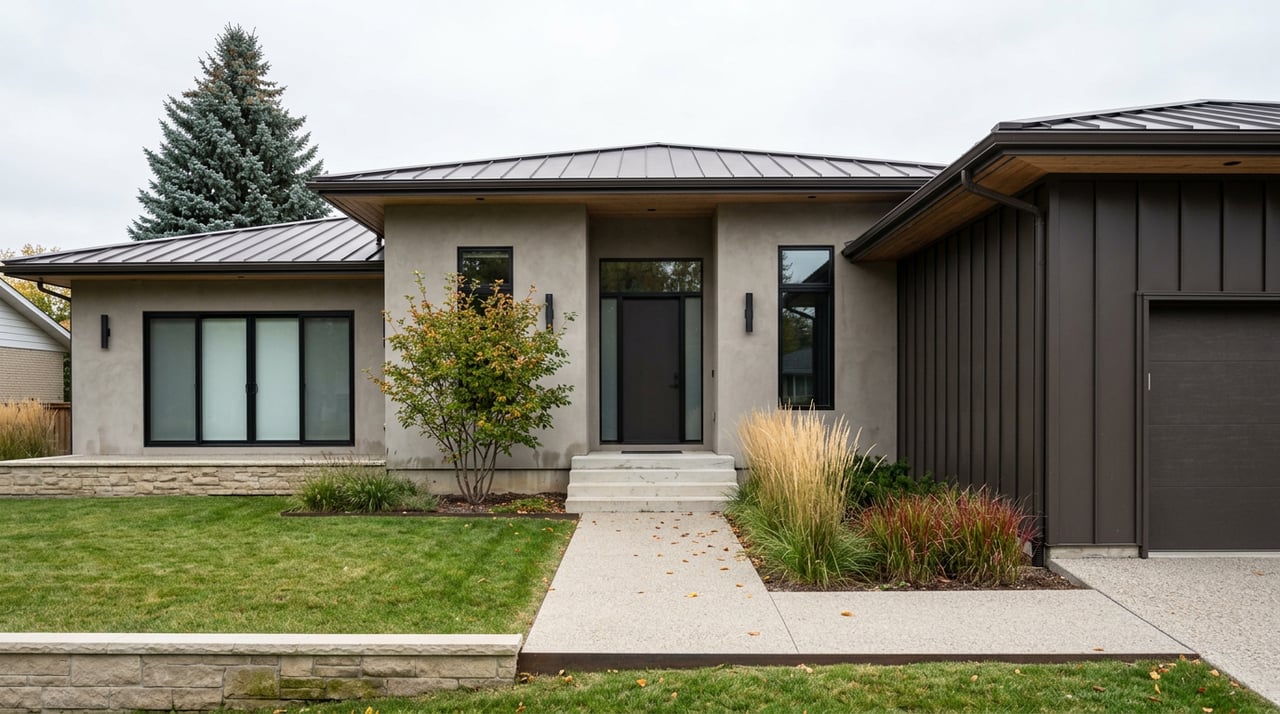
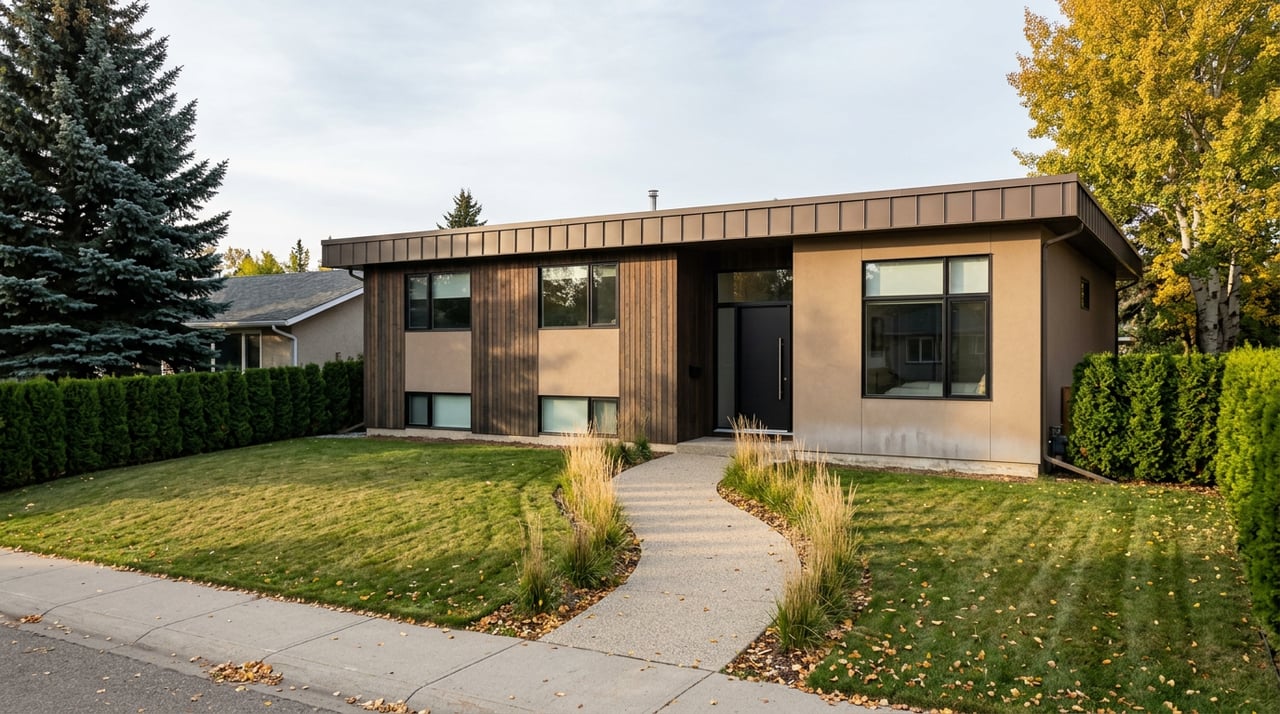
Homes in and around Chautauqua command a premium due to location, views, and limited supply. Inventory is often tight, and desirable properties can draw strong interest. You’ll find a mix of early 1900s cottages, classic bungalows, mid-century homes, and modern hillside builds, each with trade-offs on lot size, expansion potential, and approvals. For current pricing and inventory, review trusted local market reports and plan strategies that fit your goals and timing.
Wildlife, wildfire, and insurance
You’ll see typical foothills wildlife, including mule deer and a variety of birds. In the broader foothills, black bear sightings are possible but not common in the immediate Chautauqua core; residents follow city guidance on trash and wildlife safety. Because the neighborhood sits at the wildland-urban interface, wildfire risk can influence insurance availability and premiums. Speak with insurers early and look into local mitigation resources as part of your due diligence.
Who loves living here
Chautauqua attracts people who want daily trail access, strong cultural programming, and a calm residential feel close to downtown. You’ll find a neighborly vibe with outdoor enthusiasts, longtime locals, and those connected to the university. Public greenspaces and evening events create easy touchpoints for meeting neighbors. It’s a lifestyle shaped by the setting and the shared value of open space.
Smart ways to evaluate a home here
- Visit at different times of day to gauge visitor flow, event nights, and road noise.
- Walk to the trailhead from the home to test your uphill tolerance and route options.
- Confirm on-street rules and any residential permit zones near the property.
- Assess site specifics like slope, solar exposure, and drainage.
- If renovating, plan for city review, timelines, and historic guidelines.
- If commuting, test the route to downtown, CU, and US‑36 during your typical hours.
Thinking about a move to Chautauqua or a nearby foothills pocket? You’ll benefit from a calm, practical search plan that balances lifestyle goals with historic and site considerations. For discreet, high-touch guidance and a data-informed strategy tailored to this micro-market, connect with Kimberly Fels.
FAQs
Is daily trail access easy from homes near Chautauqua?
- Yes; many homes are within a short walk of main trailheads, though convenience depends on the exact address and uphill grade.
How busy is Chautauqua across the year?
- Spring through fall weekends and summer evenings are busiest; winter is quieter with variable trail conditions.
Will event noise affect daily life near the Auditorium?
- It depends on proximity; activity concentrates near the Auditorium and Dining Hall and is most noticeable during scheduled performances.
Are there restrictions on renovating a historic cottage in Chautauqua?
- Yes; city preservation rules and historic-district review apply to exterior changes and some structural work, so plan for approvals.
Is parking difficult for homeowners and guests near the park?
- It can be at peak times; evaluate on-site options, nearby posted rules, and any residential permit zones when touring.
How do Chautauqua home prices compare to the rest of Boulder?
- Homes here typically sell at a premium due to location and limited supply; consult current local market reports for specifics.
What should I know about wildlife and safety on local trails?
- Expect typical foothills wildlife and changing weather; follow local guidance on trail closures, lightning, and responsible trash management.
What about schools for Chautauqua addresses?
- Properties generally fall within the Boulder Valley School District; exact assignments depend on the address and district boundaries.