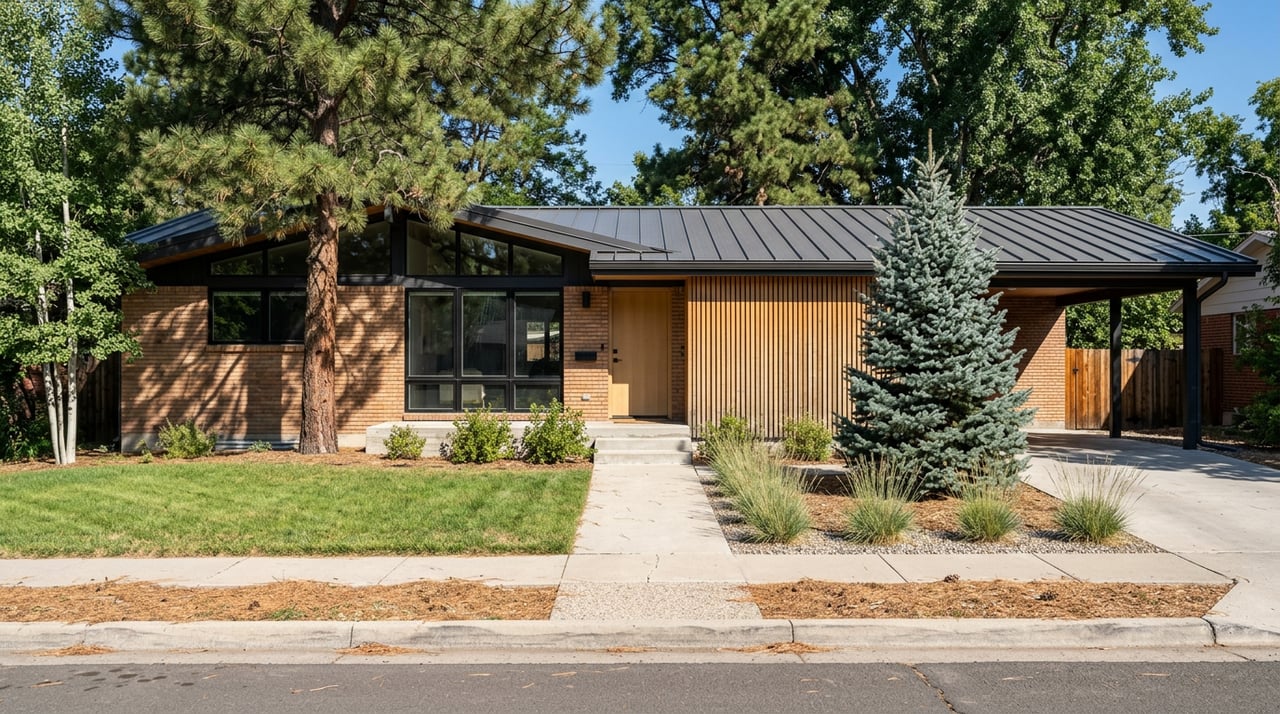
Love clean lines, big windows, and an easy indoor‑outdoor flow? In Old North Boulder, mid‑century style meets central convenience, with quick access to Ideal Market, parks, and downtown. If you are considering a home here, it helps to know what these 1950s–1970s houses offer, which updates pay back, and how pricing shifts by condition and lot. This guide covers the style cues you will notice, common layouts and lot patterns, smart renovations, ADU and rental rules, and market basics so you can shop with confidence. Let’s dive in.
Where Old North Boulder fits
Old North Boulder generally sits between Broadway, Folsom, Iris, and the Edgewood/Balsam area. You are only a few blocks north of downtown, with easy bike or walk access to Pearl Street, neighborhood parks, and essential services. It is a tightly located central pocket that many describe as part of “New Central Boulder” because of its proximity to core amenities.
Recent neighborhood snapshots place the median sale price around the low‑to‑mid seven figures, roughly about $1.25M as of early 2026, with price‑per‑square‑foot readings that tend to run higher than much of North Boulder. Days on market vary by price tier and condition. Smaller, original‑condition homes and condos sometimes appear below seven figures, while renovated homes and large lots command a premium.
Price tiers and what drives value
- Original or dated mid‑century homes and small condos: occasionally under $1M, depending on size, condition, and timing.
- Updated mid‑century homes: thoughtful renovations with modern systems and tasteful finishes commonly trade in the low‑to‑mid millions, often in the $1.5M to $3M range depending on lot and square footage.
- Large or exceptional lots and full rebuilds: half‑acre parcels, better views, or high‑finish new construction can fetch $3M to $5M or more.
Lot size, siting, and permitted building potential drive the upper end. Because medians change month to month, compare any individual home to up‑to‑date neighborhood comps when you are ready to write an offer.
Mid‑century style: what you will see
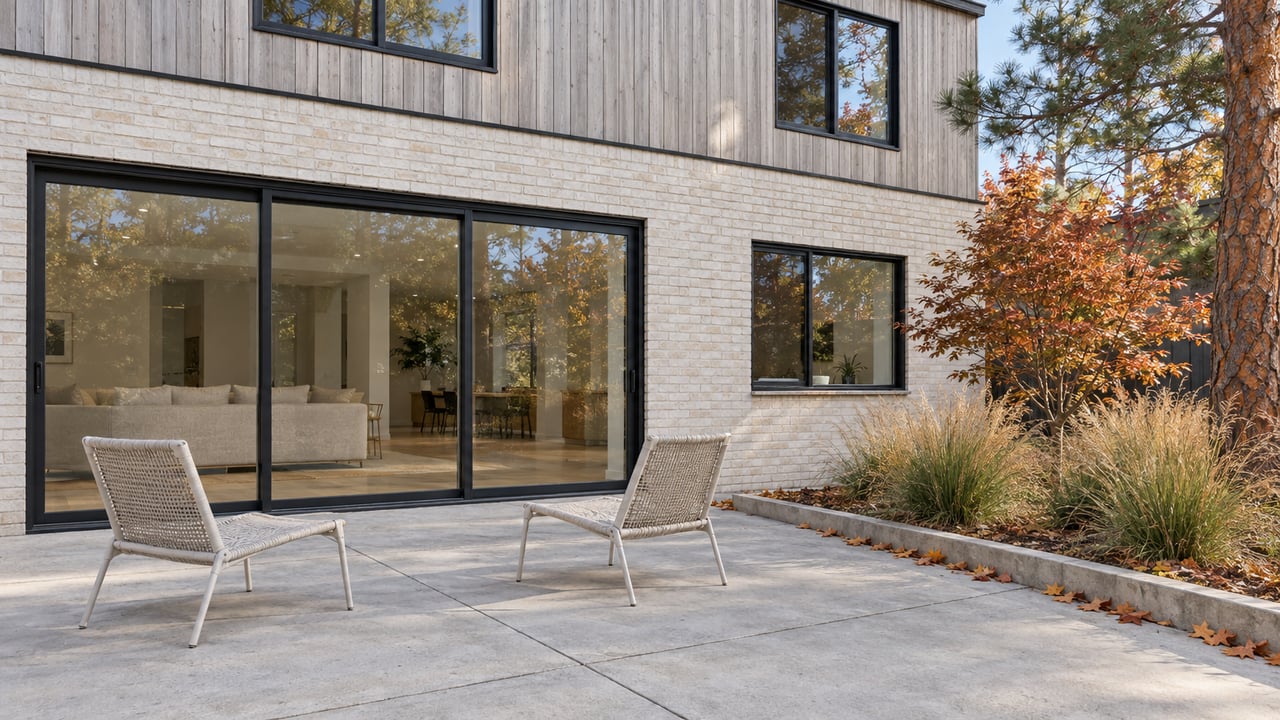
On the street, you will notice low or low‑to‑moderate rooflines, horizontal massing, simple ornament, and exteriors that often mix brick, wood siding, and stucco. Mid‑century design emphasizes indoor‑outdoor connection, large windows, and clean geometric lines. For stylistic context, see this overview of mid‑century modern design.
Layouts and flow to expect
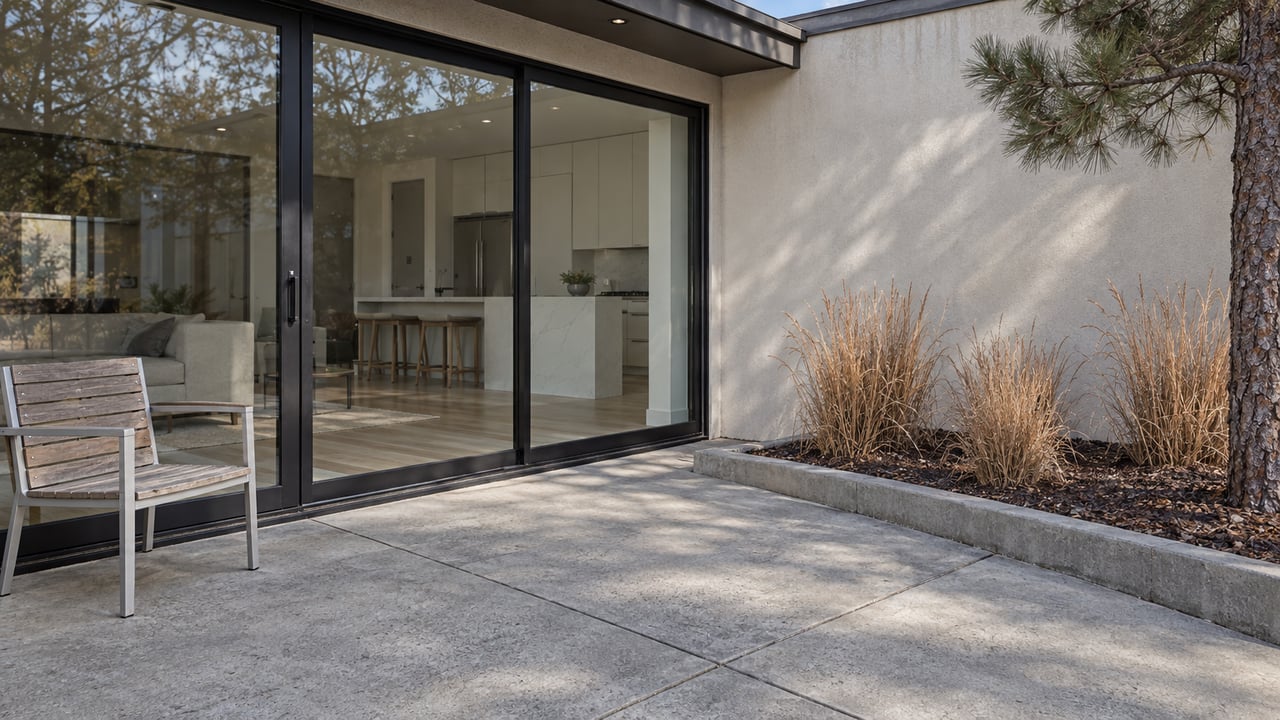
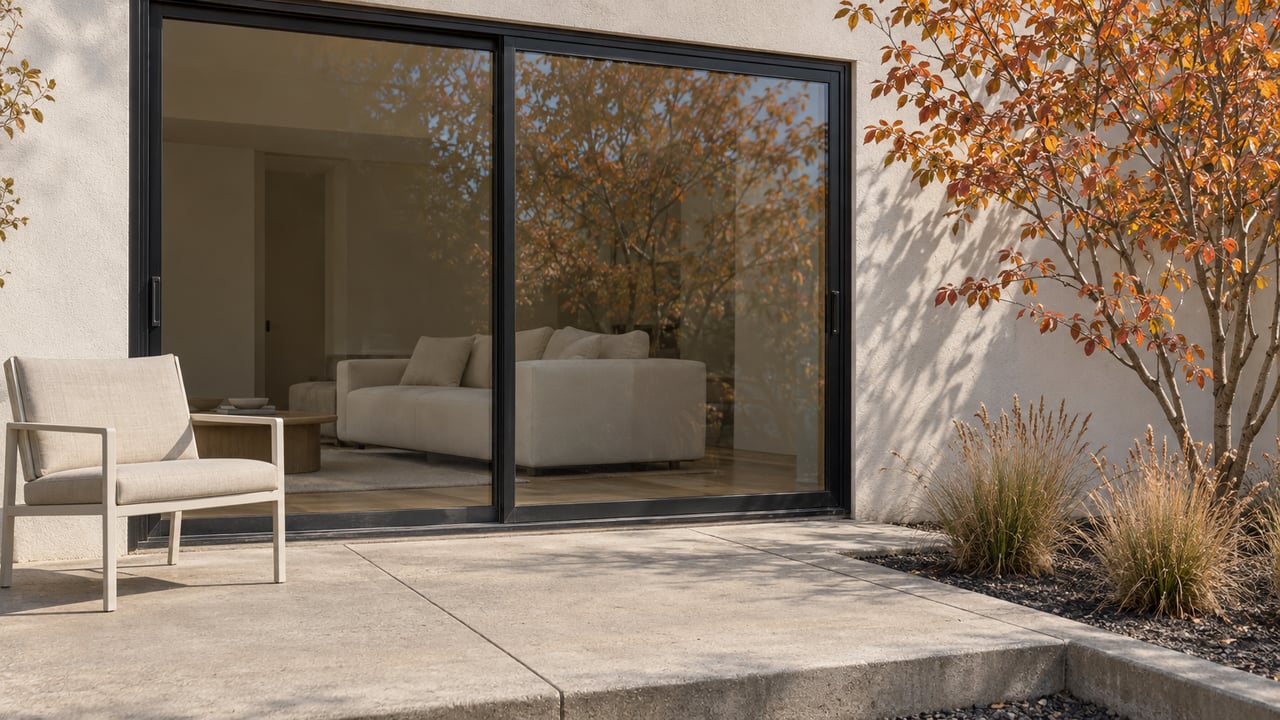
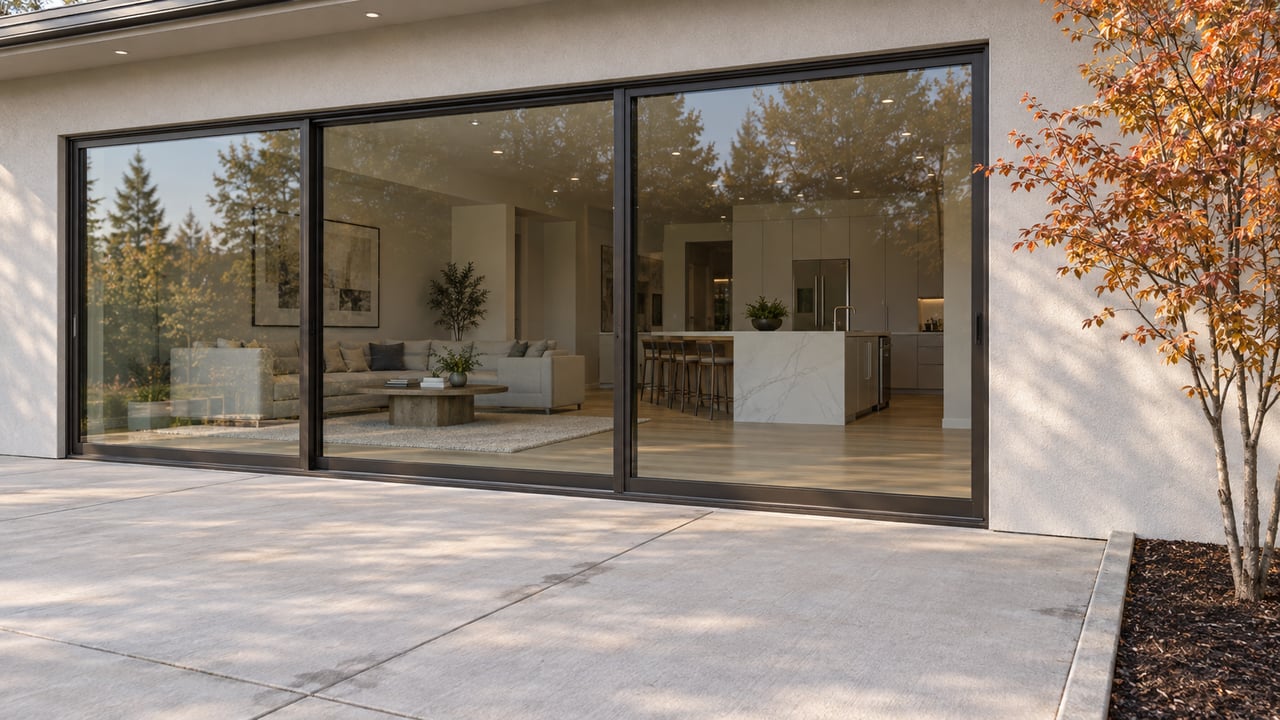
Many homes are one‑story ranch variants, raised‑ranch or split‑level plans. You will also find examples with open living, dining, and kitchen zones, vaulted or exposed‑beam ceilings, and large picture or sliding glass windows to patios and backyards. These plan types shape remodel choices. For example, moving plumbing or expanding a compact kitchen can be more complex in a raised‑ranch or split‑level.
Features to love and plan for
Character features often include original hardwoods, built‑ins, wood trim, and floor‑to‑ceiling glass. At the same time, original single‑pane windows, limited insulation, smaller kitchens, and older electrical or HVAC systems are common in unrenovated homes. Buyers typically budget for window upgrades, added insulation, and at least one refreshed kitchen or bath.
Lots and micro‑sites
Most Old North Boulder lots are modest to medium suburban sizes, often about 7,000 to 8,500 square feet. You will also see occasional larger parcels, including half‑acre or more, and some west‑facing sites with foothill views. Expect block‑by‑block variation, from flat, walkable streets near retail to slopes that trade easy access for better vistas.
Renovation roadmap for value
National benchmarks show that modest, targeted projects that improve curb appeal and daily function tend to recoup well at resale. Exterior upgrades, minor kitchen remodels, window replacements, and midrange bath projects routinely rank high for cost recovery in the latest Cost vs. Value report. In other words, a thoughtful kitchen refresh, energy‑efficient windows, and a clean exterior can move the needle more predictably than a large luxury addition.
Common Old North Boulder upgrades
- Reconfigure or refresh the kitchen to open sightlines and add modern cabinetry, counters, and appliances.
- Update bathrooms with new tile, fixtures, and improved lighting.
- Replace single‑pane windows or add high‑quality storms for comfort and efficiency.
- Improve insulation in the attic or crawl space and replace or electrify HVAC components.
- Refresh siding, paint, and landscaping to boost curb appeal.
These moves align with typical buyer expectations and the city’s energy performance priorities.
Preserve the mid‑century character
If you want to maintain the aesthetic, plan updates that respect original proportions. Try to:
- Refinish original hardwoods and preserve built‑ins where possible.
- Keep large window openings and improve glass performance rather than shrinking them.
- Choose simple, clean‑lined cabinetry and modest materials that support an open, airy feel.
ADUs, rentals, and permitting
Boulder has modernized its Accessory Dwelling Unit rules. ADUs are allowed in most residential zones, approvals are commonly handled through the building permit process, and recent changes made them more feasible for qualifying lots. Notably, as of March 8, 2025, the city no longer requires owner occupancy for ADUs, and prior saturation limits were removed. Find sizes, detached ADU requirements, and incentives on the city’s Accessory Dwelling Units page. Detached ADUs often require fire sprinklers, and ADUs cannot be used for short‑term rentals, with limited grandfathering.
If you plan to rent, Boulder’s SmartRegs program requires rental properties to meet baseline energy efficiency standards before a rental license is issued. Common upgrades include added insulation, better windows, and improved heating and cooling systems. Get the details on SmartRegs requirements.
Historic and demolition check
Old North Boulder is largely post‑war housing stock and is not part of the Mapleton Hill historic district. Even so, there are property‑specific landmark designations and overlays across the city, so always verify before planning exterior changes, additions, or demolitions. For broader preservation context and links to city resources, explore Historic Boulder’s materials.
Buyer profiles and how to shop smart
- Character buyers. You want mid‑century lines, indoor‑outdoor flow, and a clean, modern aesthetic.
- Update buyers. You value the central location and are ready to modernize systems and interiors for open‑plan living.
- Investor or ADU buyers. You see the potential for rental income or multigenerational living with an ADU, while planning for SmartRegs and rental licensing.
Quick buyer checklist
- Confirm zoning and any landmark or historic overlay for the specific parcel through city resources before you plan exterior changes.
- Ask for ages of the furnace, AC, water heater, roof, and windows. These are typical mid‑century upgrade items.
- Get ballpark quotes for a minor kitchen refresh and at least one bath update. Use the Cost vs. Value benchmarks to gauge potential payback.
- If an ADU is part of your plan, review permitted types, sizes, and any sprinkler requirements, and see the city’s ADU guide for details and incentives.
- If renting, check rental license status and prior SmartRegs inspections, and review the city’s SmartRegs program.
How it compares to nearby central neighborhoods
Within central Boulder, Old North Boulder typically sits below Mapleton Hill and Central Boulder in median price, and above some nearby pockets. University Hill can show similar or lower medians depending on timing. Because these medians change month to month, use current comps when you are ready to negotiate.
Final thoughts and next steps
Old North Boulder is a sweet spot if you want mid‑century style close to downtown. You will find classic ranches, split‑levels, and true mid‑century designs on lots that range from practical to premium view parcels. With smart updates that respect the era and improve comfort, you can capture both the look you love and solid resale value. If an ADU is in the plan, Boulder’s recent rule changes make it easier to move forward on the right lot.
If you would like a clear strategy for buying or renovating in Old North Boulder, reach out for a calm, concierge approach backed by neighborhood‑level expertise. Connect with Kimberly Fels for pricing guidance, on‑the‑ground comps, and a plan tailored to your goals.
FAQs
Are Old North Boulder homes truly mid‑century modern?
- Many are mid‑century or post‑war in age and style. You will see true mid‑century modern designs alongside simpler ranch and split‑level homes from the 1950s to 1970s.
Do renovations reliably add value in Old North Boulder?
- Targeted updates like a minor kitchen remodel, bath refresh, window replacements, and curb‑appeal projects tend to show strong resale performance nationally. See the latest Cost vs. Value report for benchmarks and compare to neighborhood comps.
Can I add an ADU in Old North Boulder?
- Often yes, if your lot and zoning qualify. Boulder relaxed several ADU rules in recent years, removed owner‑occupancy in 2025, and processes many ADUs through building permits. Detached ADUs often need sprinklers, and ADUs cannot be used for short‑term rentals. Review the city’s Accessory Dwelling Units page for specifics.