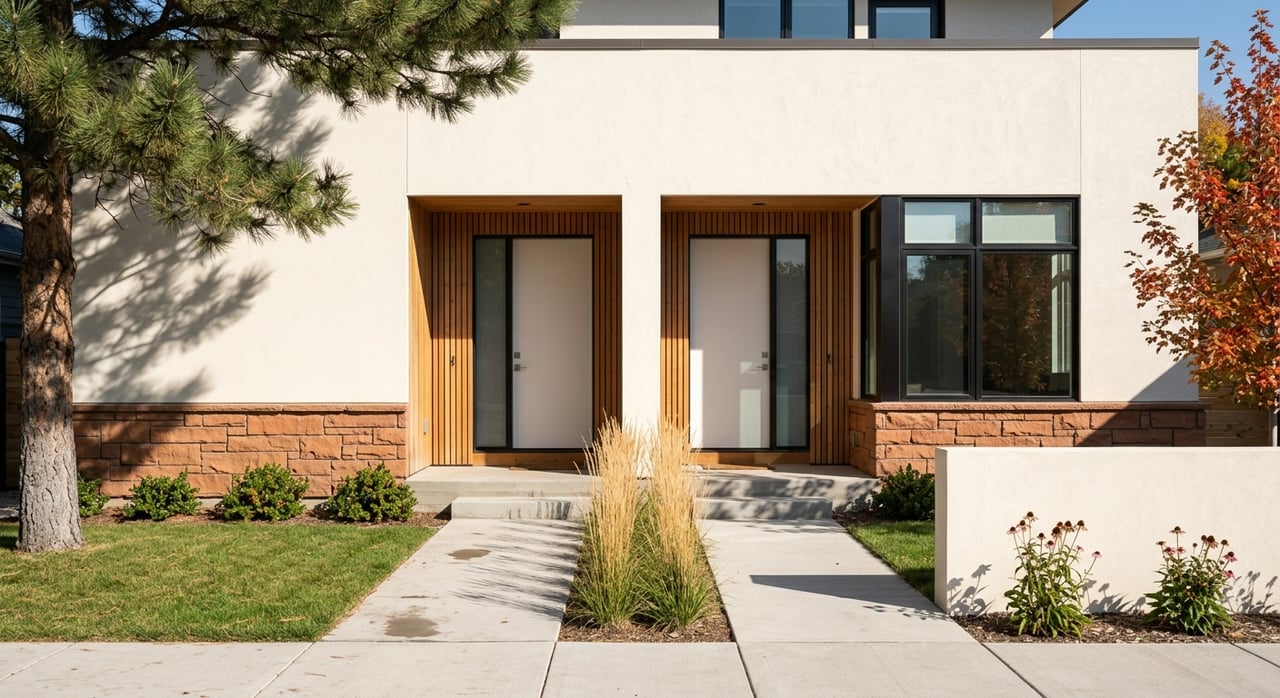
If you are thinking about buying on The Hill, you are probably asking two big questions at once: Can this property help offset my costs now, and will it still make sense years from now? That is a smart place to start. In a tightly managed central Boulder market, house-hacking is not just about extra income. It is about buying a property with legal flexibility, day-to-day practicality, and resale appeal. Let’s dive in.
Why The Hill stands out
The Hill is more than a campus-adjacent area. The City of Boulder recognizes University Hill as a commercial district with restaurants, shops, entertainment venues, and ongoing activity. The city also notes that new development is adding energy while preserving the district’s traditional student-facing character.
That matters if you are buying with a house-hacking mindset. CU Boulder says more than 22,000 students live off campus, and Boulder does not have designated student-only areas. The Hill is one of the neighborhoods students frequent, which means demand is tied to the university but not limited to one narrow renter profile.
There is also a longer-term public investment story here. Through the University Hill General Improvement District, Boulder supports parking, pedestrian and bicycle amenities, district attractiveness, convenience, and other public-right-of-way improvements. For a buyer, that is part of what can make the area feel durable over time.
What house-hacking can mean in Boulder
House-hacking often sounds simple. Buy a home, live in part of it, and rent part of it. On The Hill, the idea is still valid, but the details matter more than the headline.
In Boulder, zoning is parcel-specific. That means you cannot assume a property can function as a duplex, contain a separate rental setup, or support a mixed-use arrangement just because it looks like it could. The city regulates allowed land uses and development by exact address, so each property needs its own review.
The city also distinguishes between multi-family, commercial or non-residential, and mixed-use buildings. Mixed-use has a specific meaning in Boulder and refers to buildings with residential units plus other uses not associated with residential occupancy. If you are considering a live-work style purchase or a property with more than one possible use, that definition matters.
Start with the exact address
Before you get attached to a property, verify what is allowed at that parcel. Boulder provides a zoning map and land-use regulations for specific properties. The city also offers zoning verification letters that can show current zoning, mapped discretionary reviews, and unresolved code issues.
This step may not be glamorous, but it protects you. On The Hill, a great investment decision often starts with boring questions answered early. What is legally allowed today matters just as much as what feels possible when you walk through the home.
ADUs can expand flexibility
An accessory dwelling unit, or ADU, can be one of the clearest house-hacking paths in Boulder. The city says ADUs may be attached or detached and are allowed in many zoning districts. As of March 8, 2025, owner occupancy is no longer required, and ADUs are reviewed through the building permit process.
That opens up useful options. The city says homeowners can live in the ADU, rent it, or move into it and free up the principal home. For buyers on The Hill, that kind of flexibility can matter both for current budgeting and for future resale.
Still, you do not want to over-assume. An ADU opportunity depends on the exact property, zoning, permitting path, and physical layout. It is also important to know that short-term rental use of an ADU or the main house is generally prohibited, so the value story here is about longer-term use, not vacation-rental freedom.
Rental rules to know before you buy
If your plan includes renting part or all of a property for 30 days or more, Boulder requires a valid long-term rental license. The city also requires a rental inspection for a new license, a renewal, or an ownership transfer. SmartRegs compliance must be completed before the application.
This is one of the biggest reasons buyer strategy matters on The Hill. You are not just buying bedrooms and location. You are buying into a local operating framework that affects timing, costs, and how quickly your plan can begin after closing.
Occupancy rules also deserve a careful look. Boulder has administratively ceased enforcement of occupancy limits based on how many unrelated people live together after HB24-1007, but the city still enforces health and safety occupancy standards tied to bedroom size and room size.
For you, that means the practical question is whether the home actually supports your intended use under current code standards. It is not enough to count bedrooms and assume the layout works for your plan.
Parking is part of the investment math
On The Hill, parking is not a minor detail. University Hill has on-street pay stations, and most have a three-hour maximum. City parking enforcement officers patrol the area Monday through Saturday, and Neighborhood Parking Permit zones are also enforced.
If you are buying a property where shared housing or long-term rentals are part of the strategy, parking can affect daily convenience and marketability. A home with better off-street parking, easier access, or a more workable transportation setup may offer an edge that does not fully show up in the square footage.
Historic status can shape your options
Older homes on The Hill can be appealing for location, charm, and lot position. But before you count on exterior updates, an addition, or an ADU-related plan, check historic status carefully. If a property is individually landmarked or located in a historic district, exterior changes require a Landmark Alteration Certificate.
Boulder notes that not all old homes are protected, so this is another parcel-by-parcel issue. The city has 10 historic districts and more than 1,300 designated properties citywide. For buyers, that can affect renovation timing, design options, cost, and future resale flexibility.
Long-term value is about adaptability
The Hill’s long-term value story is not only about proximity to campus. It is also about the fact that this is a centrally located neighborhood shaped by ongoing planning attention. Boulder’s long-range planning includes a University Hill Area Plan, and area plans help implement the broader Boulder Valley Comprehensive Plan in specific places.
The comprehensive plan reflects a long-term approach that concentrates urban development inside the city and guides growth, preservation, and transportation over time. In plain terms, central Boulder neighborhoods operate in a supply-conscious environment. That does not guarantee outcomes, but it does help explain why regulatory clarity and usable flexibility matter so much here.
For many buyers, the strongest value story is not maximizing every possible rent scenario. It is buying a property that can adapt. If your owner-occupant plan changes later, or your preferred rental setup evolves, a property with clear zoning, workable licensing potential, practical parking, and manageable improvement paths may hold up better over time.
A smart buying framework for The Hill
If you want to evaluate a Hill property with both near-term use and long-term value in mind, focus on these basics:
- Verify zoning for the exact parcel
- Confirm whether the current use matches your plan
- Ask whether an ADU is allowed or already in place
- Review rental licensing requirements for 30-day-plus rentals
- Check bedroom and room sizes for health and safety occupancy standards
- Evaluate parking as part of daily use and tenant appeal
- Confirm whether the property is landmarked or in a historic district
- Think about flexibility if your living or rental strategy changes later
This kind of checklist may feel detailed, but on The Hill, details are the strategy. The right property is often the one that gives you the most clean options, not the one with the most exciting story on day one.
What buyers often miss
A lot of buyers focus on whether a home can generate income. That is understandable, but it is only half the picture. On The Hill, it is just as important to ask how much friction comes with that income plan.
A property that appears cheaper upfront may need more permitting work, more operational setup, or more compromise around parking and layout. Another home may look less flashy at first but offer better legal clarity and easier day-to-day function. Over time, that difference can matter a lot.
That is where local guidance helps. In a Boulder micro-market like The Hill, strong buying decisions usually come from matching your goals to the exact rules and realities of a specific address.
If you are exploring a purchase on The Hill, a thoughtful, address-by-address strategy can help you avoid expensive assumptions and focus on properties with real staying power. When you want a calm, local perspective on what may fit your goals, connect with Kimberly Fels for a concierge consultation.
FAQs
What makes The Hill in Boulder appealing for house-hacking?
- The Hill combines campus-linked demand, a city-recognized commercial district, and ongoing public investment in parking, pedestrian, bicycle, and district improvements.
What should buyers check first before house-hacking a Hill property?
- Start with parcel-specific zoning, because Boulder regulates allowed land uses and development by exact address.
Can you add or use an ADU on The Hill in Boulder?
- Possibly, but it depends on the property and zoning. Boulder says ADUs are allowed in many zoning districts and are reviewed through the building permit process.
Do long-term rentals on The Hill in Boulder need a license?
- Yes. Boulder requires a valid long-term rental license for standard rentals of 30 days or more, along with inspection and SmartRegs compliance.
Do occupancy rules still matter for Hill rental properties?
- Yes. Boulder has ceased enforcement based on unrelated occupants, but it still enforces health and safety occupancy standards tied to bedroom and room size.
Why is parking important when buying on The Hill?
- Parking affects daily convenience and rental practicality because University Hill has pay parking, time limits in many areas, and active enforcement.
Should buyers check historic status for older Hill homes?
- Yes. If a property is landmarked or in a historic district, exterior changes require additional review, which can affect renovation plans and timing.
What supports long-term value on The Hill in Boulder?
- A property’s adaptability often matters most, especially when zoning, rental licensing, parking, historic review, and future use flexibility are all part of the value equation.