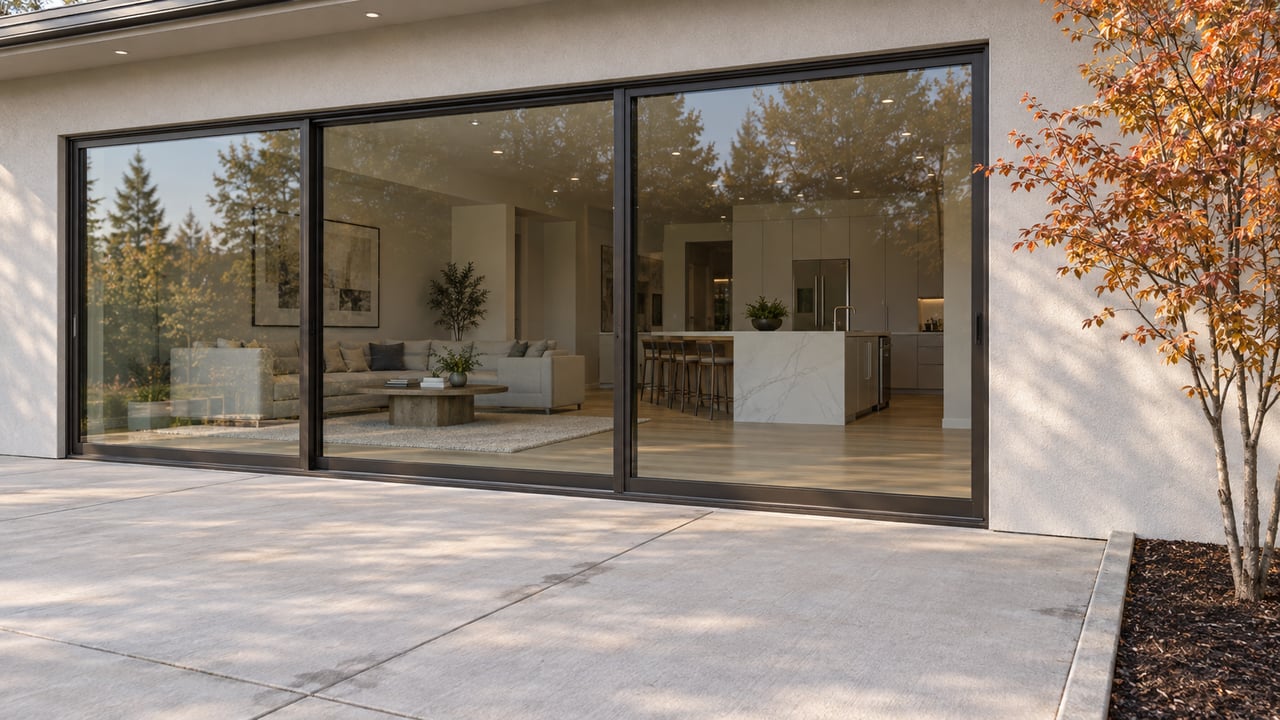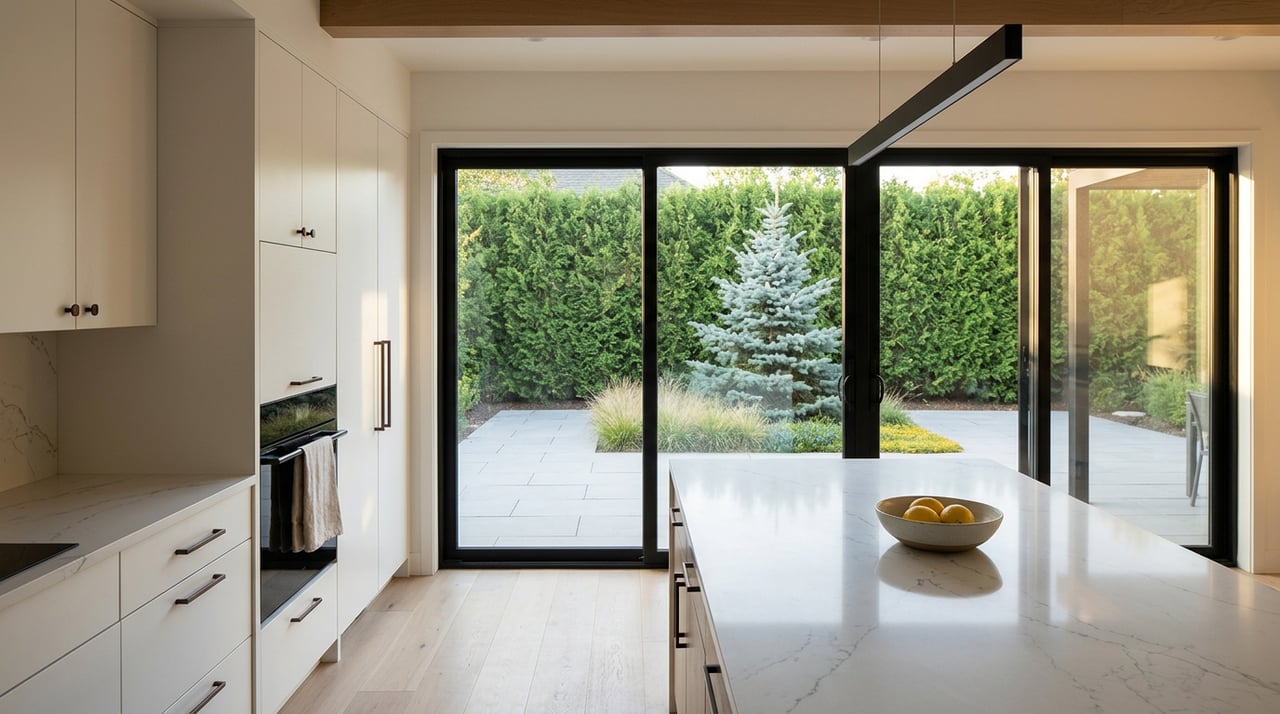
A five-bathroom house near 14th Street is on the market right now with sixteen bedrooms. It is being marketed as a turnkey student housing investment, priced well below a recent $3.46 million appraisal, with what the listing calls a flawless occupancy record. A few blocks over on 12th Street, a twelve-bed, four-bath property and a ten-bed, five-bath property are being pitched the same way, both steps from the CU Boulder campus, both part of what brokers who work this stretch of University Hill call the state's most coveted student rental submarket.
If you are new to Boulder's investment market, these listings read like proof that the city just legalized something. For decades, Boulder capped how many unrelated adults could share a rental home, three in most of the city, four in a handful of zones, no matter how many bedrooms the house actually had. The city repealed that cap in 2025. It would be reasonable to assume the sixteen-bed listing exists because of that repeal.
It doesn't. The business model on The Hill predates the law change by years. That gap between what changed on paper and what had already changed in practice is the thing worth understanding before you underwrite a property here.
What the Occupancy Law Actually Repealed
Governor Jared Polis signed HB24-1007 in April 2024, a state law prohibiting Colorado cities from limiting how many people can live together based on family relationship. Boulder's City Council voted unanimously on March 6, 2025 to strip its own occupancy code of every reference to unrelated persons, with the change taking effect that April. The vote closed out a fight that Bedrooms Are For People organizer Eric Budd had been pushing since 2014, including two failed ballot measures in 2020 and 2021.
What replaced the old headcount rule was not a bigger headcount rule. Boulder adopted the International Property Maintenance Code standard instead: bedrooms need a minimum of 70 square feet, with an additional 50 square feet required for each occupant beyond the first, along with functioning egress windows and fire safety systems. The city stopped asking how tenants are related to each other and started asking whether each bedroom is physically built to hold a person safely.
For an investor evaluating a Hill property, that is the real shift. The ceiling on how many tenants you can legally lease to is no longer a relationship test. It is a geometry test, measured room by room against a building code.
The Numbers the Old Law Never Touched
Here is what the CU Law Review's analysis of Boulder's occupancy fight gets right: a four-bedroom house has always been worth more than a three-bedroom house, regardless of how many unrelated tenants were technically allowed to live in it. Enforcement of the old unrelated-occupant cap was thin, family exemptions were broad, and landlords who wanted to fill every bedroom generally did, license or no license. The three-person cap shaped how City Hall wrote code. It did not shape how rent rolls got built.
That is visible in the underwriting numbers already circulating on Hill listings. One property on the market carries a 7.09 percent cap rate and a 13.09 gross rent multiplier, with a flawless occupancy record and rental income already secured through August 2026. Another is projected at $82,320 in net operating income for the 2026 to 2027 lease year. These are not speculative pro formas. They reflect a submarket that runs on a pre-leasing calendar, where next year's leases are typically signed the prior fall, giving an owner a full year of forward income visibility that almost no other residential rental market in Boulder offers.
None of that depended on the 2025 repeal. It depended on demand that was already structurally guaranteed: a campus enrolling more than 38,000 students, with on-campus housing built for roughly 8,700 of them.
What 332 New Beds Actually Move
CU Boulder opened Code Talker Hall on August 12, 2026, its first new residence hall since 2019. The apartment-style, all-electric building at 19th and Athens houses about 332 returning students, part of the university's push to expand on-campus capacity. It is a genuine addition to campus housing stock and worth knowing about if you are pricing near-campus rental demand this fall.
It is also worth sizing correctly. CU's on-campus system currently holds roughly 7,200 first-year students and 1,500 upper-division students, a combined capacity well under 9,000. Against an undergraduate population running into the tens of thousands, that leaves somewhere in the neighborhood of 23,000 upper-division students already living off campus before Code Talker Hall opened its doors.
| Figure | Approximate count |
|---|---|
| CU Boulder total enrollment | 38,000+ |
| On-campus housing capacity (first-year plus upper-division) | ~8,700 |
| Upper-division students living off campus | ~23,000 |
| New beds added by Code Talker Hall, August 2026 | 332 |
| Share of off-campus population absorbed | ~1.4% |
Three hundred thirty-two beds against twenty-three thousand off-campus students is a rounding error, not a supply shock. If you were waiting for new on-campus construction to soften demand for Hill rental houses before you buy, this is not the building that does it. The scarcity that props up cap rates on 12th and 14th Street was set by CU's enrollment growth outpacing its own construction timeline, and one dorm reserved for returning students does not close that gap.
The Median Price Nobody Should Trust Here
Public price data on University Hill disagrees with itself in ways that should make any buyer slow down. One widely used investment-analytics estimate puts the neighborhood's median real estate price near $1.9 million. A local market guide puts the median closer to $1.58 million, with a stated range from $1 million up to $5.5 million. Separately, one tracker showed the average Hill house price near $2.38 million in a recent month, up 96.9 percent year over year, a swing that size in a neighborhood this small almost always means a handful of high-value sales moved the average, not that values doubled in twelve months.
Compare that to Boulder citywide, where the median sale price sat near $807,000 as of February 2026. University Hill trades in a different universe from the rest of the city, and the reason is not square footage. It is bed count. A three-bedroom bungalow and a converted six-bedroom rooming house on the same block can carry wildly different values because they are underwriting different income streams, and a neighborhood-wide median blends them into a number that describes neither one accurately.
If you are pricing a Hill property, the median headline is close to useless. Price per bed against current lease income tells you far more than price per square foot ever will here.
What to Verify Before You Write an Offer
The occupancy law repeal moved the compliance burden from a relationship question to a building-code question, and that is exactly where due diligence needs to focus now.
- Confirm the property's current rental license status and renewal date with the city, since a license lapse can interrupt income during a transaction.
- Measure the actual bedrooms against the IPMC standard of 70 square feet minimum, plus 50 additional square feet per occupant beyond one, rather than trusting a seller's advertised bed count.
- Check egress on any bedroom that was created by finishing a basement or attic, since a room without a code-compliant window or exit cannot legally be counted as a bedroom no matter what the listing says.
- Ask where the property sits in its pre-leasing cycle. A house showing strong occupancy history may already be leased through next August, which changes your first-year cash flow timeline even if the asking price looks attractive today.
- Treat any quoted median or average price for the neighborhood as a starting point for a conversation, not a number to anchor an offer to.
The occupancy law changed how the city measures a bedroom. It did not change how the market has valued one for years. Buyers who understand that difference underwrite these properties correctly. Buyers who assume the 2025 repeal created the opportunity are pricing off a headline, not the mechanism underneath it.
If you are weighing a University Hill purchase, whether as a long-term rental hold or a property you might eventually convert, Kimberly Fels has spent two decades reading Boulder's micro-markets block by block. Request a Concierge Consultation to walk through a specific address, its lease calendar, and what it would actually take to underwrite it right.